Quick Answer
Professional office cleaning helps businesses maintain cleaner, more organized workplaces while supporting employee comfort, workplace hygiene, and the overall appearance of their facilities. When sustainable cleaning practices are included, businesses can also reduce unnecessary waste, use resources more efficiently, and make more responsible choices about cleaning products and supplies.
A well-planned office cleaning in Brampton can be tailored to the size of the workplace, daily foot traffic, operating hours, and specific cleaning requirements. Sustainable practices can complement routine cleaning by focusing on practical ways to manage water use, waste, equipment, and cleaning materials without overlooking hygiene.
Key Takeaways
- Professional office cleaning helps maintain a clean and presentable workplace.
- Sustainable cleaning practices can support more responsible product and resource use.
- Cleaning schedules can be adapted to workplace size, traffic, and operating hours.
- Waste reduction and appropriate waste sorting can support business sustainability efforts.
- Efficient equipment and suitable cleaning products can help reduce unnecessary resource use.
- Consistent cleaning can help businesses manage shared areas and everyday hygiene needs.
- A customized cleaning plan can address a facility’s specific operational and sustainability priorities.
How Office Cleaning Benefits Businesses in Brampton
A clean workplace can influence how employees, customers, visitors, and business partners experience a commercial space. Dust, overflowing waste bins, dirty floors, and poorly maintained shared areas can affect the appearance and usability of an office.
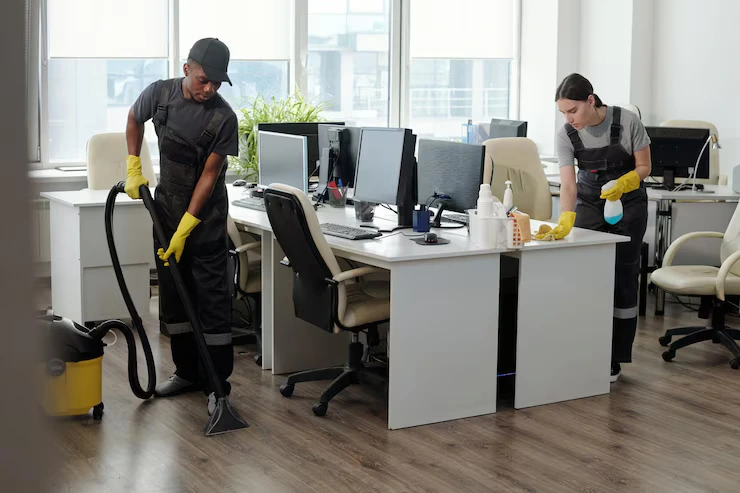
Regular professional cleaning helps businesses maintain these spaces through planned tasks such as floor care, surface cleaning, washroom maintenance, waste removal, and attention to shared areas.
For businesses in Brampton, cleaning requirements can vary according to the type of workplace, number of employees, visitor traffic, and operating schedule. An office with a busy reception area may need a different routine from a smaller workplace with limited daily visitors.
Sustainability can also be incorporated into this process. Choosing suitable cleaning products, avoiding unnecessary waste, and using resources efficiently can help businesses consider their environmental priorities alongside everyday cleaning needs.
The objective is to maintain a workplace that is clean, functional, and appropriate for the people who use it, while making practical decisions about how cleaning is carried out.
Why Sustainability Matters in Commercial Office Cleaning
Businesses increasingly consider how everyday operations affect resource consumption and waste generation. Cleaning is one area where practical decisions can contribute to broader workplace sustainability efforts.
Cleaning products, disposable supplies, water, equipment, and packaging all form part of a facility’s cleaning routine. The choices made in these areas can influence how much material is used and how waste is managed.
Sustainable cleaning does not mean compromising on hygiene or simply using fewer supplies. It means selecting appropriate methods and products, following recommended usage instructions, and avoiding unnecessary consumption where practical.
For Brampton businesses, this approach can make sustainability part of routine facility management rather than treating it as a separate initiative.
Choosing Cleaning Products With Sustainability in Mind
Cleaning products are an important consideration when reviewing the environmental impact of office maintenance.
Businesses can ask their cleaning provider about the products used in their facilities, including whether suitable lower-impact options are available. Product selection should consider the surface being cleaned, the type of soil or contamination, the intended use, and any relevant safety requirements.
A product described as environmentally friendly is not automatically suitable for every task. Some areas may require specific cleaning or disinfection procedures, so product selection should reflect the purpose of the task and the manufacturer’s instructions.
Using the correct amount of product is also important. Overdosing cleaning solutions can waste supplies and may leave unwanted residue, while using too little may reduce cleaning effectiveness.
A considered approach to product selection can help businesses balance cleaning performance, workplace safety, and sustainability priorities.
Reducing Waste Through More Sustainable Office Cleaning
Commercial workplaces generate different types of waste, including paper, packaging, food waste, and used cleaning supplies. Cleaning routines can help support better waste management by ensuring that waste is collected and handled according to the facility’s procedures.
Businesses can review whether recycling and waste bins are placed in practical locations and clearly identified. Appropriate placement can make it easier for employees and visitors to separate recyclable materials from general waste.
Cleaning teams can also help maintain these stations by emptying bins regularly and keeping surrounding areas tidy.
Disposable cleaning materials are another consideration. Where appropriate for the task, reusable cloths and mop heads may reduce the need for single-use alternatives. These items must still be cleaned, maintained, and replaced according to suitable hygiene practices.
The goal is to reduce avoidable waste without compromising the cleanliness or safety of the workplace.
Using Water and Cleaning Supplies Efficiently
Water and cleaning supplies are essential for maintaining commercial spaces, but unnecessary use can be avoided through proper planning and procedures.
For example, cleaning staff can follow appropriate dilution instructions, use suitable equipment, and apply the right method for each surface. These practices can help avoid excessive product use and unnecessary repeat cleaning.
The amount of water required depends on the cleaning task, surface type, equipment, and level of soiling. Some activities may require more water than others, while certain methods may allow effective cleaning with less.
Businesses can discuss these considerations with their cleaning provider when reviewing service requirements. The aim should be to use resources appropriately while maintaining the cleaning standards required for the facility.
Selecting Efficient Cleaning Equipment
Cleaning equipment can influence how effectively and efficiently a facility is maintained.
Depending on the property and cleaning requirements, equipment choices may include vacuum cleaners, floor-cleaning machines, microfiber systems, and other tools designed for specific tasks.
When reviewing equipment, businesses can consider factors such as energy use, water consumption, durability, maintenance requirements, and suitability for the surfaces being cleaned.
The most appropriate equipment will depend on the facility. A small office may not need the same machinery as a large commercial property, while a building with extensive carpeted areas may have different requirements from one with hard flooring.
Suitable equipment, used correctly and maintained according to manufacturer guidance, can support consistent cleaning while helping avoid unnecessary resource use.
Maintaining Hygiene Without Overusing Resources
Sustainability should complement effective cleaning rather than replace it. Businesses still need cleaning procedures that reflect how their workplace is used and the hygiene requirements of different areas.
Washrooms, kitchens, reception areas, meeting rooms, and frequently touched surfaces may require different levels of attention. The appropriate schedule depends on traffic, the type of space, and any relevant hygiene or safety requirements.
Cleaning products and disinfectants should be used according to their instructions. Reducing product use is not beneficial if it results in an inadequately cleaned surface or an unsuitable hygiene outcome.
A balanced cleaning plan identifies where regular attention is necessary and where resources can be used more efficiently. This helps businesses consider sustainability without overlooking the primary purpose of professional cleaning.
Making Sustainable Cleaning Part of Everyday Business Operations
A cleaning plan is more effective when it reflects the way a business operates.
For example, cleaning may need to take place before employees arrive, after working hours, or at specific times when shared spaces are less busy. High-traffic areas may need more frequent attention than rooms used occasionally.
Businesses can also support sustainable practices through everyday workplace habits. Employees can:
- Separate waste correctly.
- Avoid unnecessary printing.
- Report spills promptly.
- Keep shared areas reasonably organized.
These actions do not replace professional cleaning. Instead, they complement it by helping prevent avoidable messes and making workplace maintenance more manageable.
For Brampton businesses, discussing sustainability priorities with a cleaning provider can help identify practical opportunities that fit the facility’s schedule, layout, and operational needs.
How Businesses Can Measure Progress Toward Sustainable Cleaning
Businesses do not need to introduce a complicated measurement system to review their cleaning practices. They can begin by identifying a few relevant areas and monitoring them over time.
Depending on the facility, useful measures may include:
- The amount of disposable cleaning material used
- Cleaning product consumption
- Waste separation and recycling practices
- Water or energy use where reliable data is available
- Recurring cleaning issues
- Feedback about the condition of shared spaces
- Whether cleaning schedules reflect actual usage
The information available will vary by building and service arrangement. Businesses should avoid assuming that a particular practice automatically produces a measurable environmental benefit without suitable evidence.
Regular reviews can help identify where the cleaning plan is working well and where adjustments may be useful. Changes should be practical and should not compromise hygiene, safety, or the condition of the facility.
Adapting Office Cleaning to Different Brampton Workplaces
Not every business has the same cleaning requirements. A professional office, retail space, warehouse office, or shared commercial facility may experience different levels of foot traffic and have different surfaces, schedules, and hygiene priorities.
For example, a workplace with a busy reception area may need more frequent floor maintenance. A facility with shared kitchens may require additional attention to counters, sinks, appliances, and waste bins.
Businesses should also consider seasonal conditions. During winter, snow, moisture, and road salt can be tracked indoors, increasing the need for attention to entrances and floors. During busier periods, visitor numbers or extended operating hours may change the cleaning workload.
A flexible cleaning plan can account for these differences while incorporating appropriate sustainable practices. This allows businesses to focus on the needs of their facility instead of relying on a standard routine that may not suit every space.
What Businesses Should Discuss With a Cleaning Provider
Before arranging a professional cleaning service, businesses can identify their priorities and explain how the facility is used.
Useful details include:
- The size and layout of the workplace
- Operating hours
- Number of employees and visitors
- Flooring types
- Washroom facilities
- Any areas that need more frequent attention
If sustainability is a priority, businesses can also ask about:
- Available cleaning product options
- Reusable materials where appropriate
- Waste collection and recycling procedures
- Equipment and resource efficiency
- Cleaning schedules that reflect actual usage
- How service requirements and results are reviewed
Not every option will suit every facility. A discussion with the cleaning provider can help establish which practices are realistic and appropriate for the business.
For Brampton businesses, a customized approach can help align cleaning requirements with operational needs and sustainability goals.
Frequently Asked Questions
How does professional office cleaning benefit businesses?
Professional office cleaning helps maintain floors, work areas, washrooms, reception spaces, and shared facilities. A planned routine can support workplace hygiene, improve the appearance of the facility, and address areas according to their usage.
Can office cleaning support business sustainability goals?
Yes. Sustainable practices may include selecting suitable cleaning products, reducing unnecessary disposable supplies, managing waste appropriately, and using water and equipment efficiently. The right approach depends on the facility and its cleaning requirements.
Does sustainable cleaning mean using fewer cleaning products?
Not necessarily. It means using appropriate products in the correct amounts and following manufacturer instructions. Cleaning effectiveness and hygiene requirements should remain the priority.
Can a cleaning schedule be customized for my business?
Yes. Cleaning schedules can be planned around facility size, foot traffic, operating hours, the types of spaces being maintained, and specific business requirements.
How can a business review its cleaning practices?
Businesses can review product use, disposable supplies, waste procedures, recurring cleaning issues, and whether schedules match the facility’s needs. Reliable information can help identify practical opportunities for improvement.
Are reusable cleaning materials suitable for every task?
No. Reusable materials may be appropriate for some tasks when properly cleaned and maintained, but certain situations may require specific materials or procedures. The choice should reflect hygiene requirements and the cleaning task.
How often should a business review its office cleaning plan?
A review may be useful when the facility expands, staffing changes, operating hours shift, visitor traffic increases, or recurring cleaning concerns arise. The appropriate timing depends on the business and its service requirements.
Conclusion
Professional office cleaning can help Brampton businesses maintain clean, organized workplaces while supporting employee comfort, workplace hygiene, and a positive experience for visitors. By incorporating practical sustainability measures, businesses can also review how cleaning products, supplies, water, equipment, and waste are managed.
The most suitable approach depends on the facility’s size, daily use, operating schedule, and cleaning priorities. Sustainable practices should support effective cleaning rather than compromise hygiene or safety.
For businesses looking for professional office cleaning in Brampton, Anago South can help develop a customized cleaning plan based on the facility, schedule, and service requirements, with suitable options to discuss sustainability priorities. Call (905) 565-4445 or reach us online to arrange a free walkthrough and customized cleaning quote.