
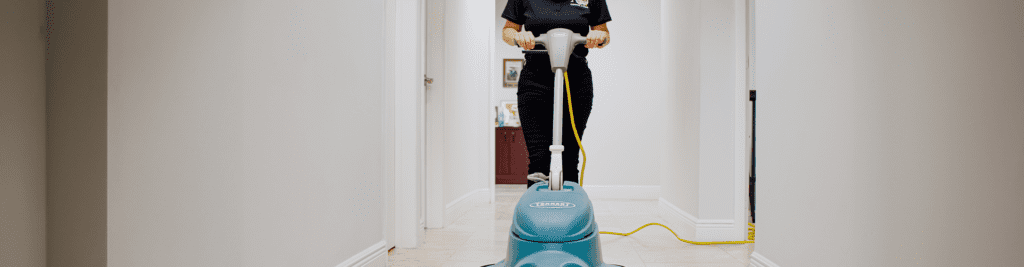
Commercial flooring has to deal with a lot more than everyday foot traffic. Employees, customers, deliveries, outdoor debris, spills, moisture, and seasonal conditions can all affect the condition of a workplace floor. While carpets are designed for regular use, they still require appropriate care if businesses want them to remain presentable and functional for longer.
For many businesses, carpet cleaning in Brampton can be an important part of a broader commercial flooring maintenance strategy. Regular vacuuming helps remove loose debris from the surface, but professional cleaning can address dirt and other materials that gradually work deeper into carpet fibres. When combined with sensible day-to-day maintenance, this can help businesses maintain their flooring and avoid unnecessary deterioration.
Quick Answer
Professional carpet cleaning can help protect commercial flooring by removing accumulated dirt, debris, and other contaminants that routine vacuuming may not fully address. When particles remain trapped in carpet fibres, repeated foot traffic can work them deeper into the material and contribute to premature wear.
A suitable cleaning schedule can help maintain the carpet’s appearance, improve its overall condition, and support longer-term flooring maintenance. The right frequency depends on factors such as foot traffic, business type, carpet material, entryway exposure, and seasonal conditions in Brampton.
Professional cleaning should not replace regular vacuuming or prompt spill management. Instead, it should complement everyday maintenance as part of a practical approach to commercial facility care.
Key Takeaways
- Commercial carpets experience significant wear from daily foot traffic.
- Dirt and debris can become embedded below the visible surface.
- Regular vacuuming and professional cleaning serve different purposes.
- Entryways often require additional attention because they collect outdoor debris.
- Winter conditions can introduce salt, moisture, and other materials into commercial buildings.
- A consistent maintenance routine can help preserve carpet appearance and condition.
- Cleaning schedules should reflect the building’s use rather than follow a one-size-fits-all approach.
- Professional carpet care can be incorporated into a wider commercial cleaning plan.
Why Commercial Carpets Need More Than Regular Vacuuming
Vacuuming is one of the most important parts of commercial carpet maintenance. It removes loose dirt, dust, crumbs, and other particles before they have an opportunity to become deeply embedded.
However, vacuuming has limitations.
Some particles settle beneath the surface of the carpet where ordinary vacuuming may not remove everything. Foot traffic can then press those particles farther into the fibres. Over time, this repeated process can contribute to a carpet looking dull, flattened, or worn, particularly in areas that receive constant use.
Think about the entrance of an office building or retail establishment. Hundreds of people may walk through the same area every day. Even when employees vacuum regularly, the carpet is still exposed to outdoor dirt, moisture, and debris.
Professional cleaning provides a deeper level of maintenance. The specific cleaning method should depend on the carpet, building requirements, and condition of the flooring.
The goal is not simply to make a carpet look clean immediately after service. Consistent maintenance can help businesses manage the gradual accumulation of materials that contribute to everyday wear.
How Dirt Can Affect Carpet Fibres
Dirt may seem harmless when it is sitting on the surface of a carpet, but repeated foot traffic can change the situation.
Small particles can act as abrasive material within the carpet. As people walk over the same areas repeatedly, these particles move against carpet fibres. Over time, this can contribute to changes in texture and appearance.
High traffic paths may begin to look different from areas that receive little use. You may notice darker walkways, flattened fibres, or a generally tired appearance around entrances and corridors.
This does not necessarily mean that the carpet has reached the end of its useful life. In some cases, the appearance of heavily used areas reflects the need for a more appropriate cleaning and maintenance routine.
Regular professional care can help businesses address accumulated debris before it becomes a persistent problem.
Entryways Deserve Special Attention
The entrance is often the first part of a commercial building to experience outdoor dirt.
People entering a building may bring moisture, soil, salt, sand, and other materials with them. During Brampton’s colder months, snow and winter-related debris can create additional challenges for commercial facilities.
This is why entryway maintenance deserves particular attention.
A properly maintained entrance can help reduce the amount of outdoor material that gets distributed throughout the rest of the building. Mats, frequent vacuuming, prompt attention to moisture, and periodic professional carpet cleaning can all form part of this strategy.
Businesses should also pay attention to the transition areas between entrances and interior spaces. These zones can receive considerably more traffic than other parts of the building.
By identifying these high-use areas, facility managers can allocate cleaning resources more effectively instead of treating every section of the carpet exactly the same way.
Seasonal Conditions Can Increase Flooring Challenges
Brampton businesses have to deal with changing weather throughout the year, and commercial carpets can reflect those changes.
During winter, moisture and salt can enter buildings through footwear. Spring can bring mud and additional moisture, while summer may introduce increased outdoor dust and debris.
These materials do not necessarily remain at the entrance. Foot traffic can gradually spread them into corridors, offices, reception areas, and other sections of a building.
A seasonal approach to carpet maintenance can help businesses anticipate these changes.
For example, a facility may benefit from paying particular attention to entryways and high traffic areas during periods of heavy snow or rain. The exact approach will depend on the building and its daily activity.
The important point is that flooring maintenance does not have to remain static throughout the year.
How Professional Cleaning Supports Long Term Maintenance
A commercial carpet represents an investment in the appearance and functionality of a workplace. Replacing flooring is also disruptive because it can affect employees, customers, schedules, and normal business operations.
Maintenance therefore matters.
Professional cleaning can form one part of a strategy designed to keep existing carpet in better condition. By addressing accumulated dirt and other materials, cleaning may help reduce some of the conditions associated with premature wear.
However, expectations should remain realistic. Cleaning cannot reverse every form of damage. Permanent stains, fibre deterioration, physical damage, or heavily worn areas may require other solutions.
The purpose of regular cleaning is maintenance rather than restoration of severely damaged flooring.
When businesses combine professional cleaning with routine vacuuming, spill management, entrance matting, and sensible traffic management, they can create a more comprehensive approach to looking after commercial carpets.
Why High Traffic Areas Need a Different Approach
Not every area of a commercial building experiences the same amount of use.
A quiet private office may receive only a handful of visitors each day. A reception area, hallway, elevator lobby, or retail entrance may experience continuous traffic.
Treating these spaces identically may not be the most efficient approach.
High traffic areas often require more frequent attention because dirt and debris accumulate more quickly. Visible wear may also appear sooner in these locations.
Facility managers can identify these areas by observing where people naturally move through the building. Entrance paths, reception areas, corridors, stairways, and spaces around common facilities may all require additional consideration.
A customized maintenance schedule can then focus attention where it is needed most.
This does not necessarily mean cleaning the entire building more frequently. Instead, it can mean developing a more practical strategy based on how the facility is actually used.
Carpet Maintenance Can Support a Better Workplace Appearance
Flooring contributes to the overall impression of a commercial environment.
A carpet with visible traffic marks, accumulated dirt, or neglected stains can make an otherwise well-maintained space appear less polished. This can be particularly noticeable in businesses where customers or clients regularly visit the premises.
A clean floor can support a more consistent appearance across reception areas, meeting spaces, hallways, and work areas.
This is not only about aesthetics. A well-maintained facility can also demonstrate that attention is being paid to the workplace environment as a whole.
For property managers and business owners, maintaining commercial flooring can therefore become part of a broader facility presentation strategy.
What Businesses Can Do Between Professional Cleanings
Professional cleaning works best when supported by everyday habits.
Businesses can take several practical steps to reduce unnecessary carpet wear between scheduled services.
Vacuum High Traffic Areas Regularly
High-use areas generally collect more loose debris than quieter spaces. Regular vacuuming helps remove this material before it becomes deeply embedded.
Address Spills Quickly
A spill that is left unattended can become harder to manage later. Establishing a simple process for reporting and addressing spills can help prevent avoidable carpet problems.
Maintain Entrance Areas
Keeping entrance mats clean and monitoring moisture around building entrances can help reduce the amount of outdoor debris brought into the facility.
Watch for Changing Traffic Patterns
A workplace may become busier during certain periods. Renovations, seasonal activities, events, or changes in occupancy can increase traffic in specific areas.
Cleaning routines can be adjusted when these changes occur.
How to Determine the Right Cleaning Frequency
There is no universal schedule that works for every commercial building.
A small office with limited foot traffic may have different requirements from a large retail store, school, medical facility, fitness centre, or apartment building.
When determining an appropriate schedule, businesses can consider:
- Daily visitor and employee traffic
- Number of entrances
- Carpet type and construction
- Amount of outdoor exposure
- Presence of food or beverage areas
- Seasonal moisture and debris
- Existing stains or odours
- Building occupancy
- Previous carpet maintenance history
These factors provide a more useful starting point than simply choosing an arbitrary cleaning interval.
For some facilities, periodic professional cleaning may be sufficient. Others with heavy traffic may require more frequent attention.
The objective should be to create a maintenance plan that reflects the actual demands placed on the flooring.
Carpet Cleaning as Part of a Broader Facility Strategy
Commercial flooring should not be viewed separately from the rest of the building.
Carpet maintenance can work alongside other cleaning responsibilities such as hard floor care, washroom cleaning, surface disinfection, waste management, and high-touch surface cleaning.
A coordinated approach can make facility maintenance easier to manage because different cleaning tasks can be planned according to the building’s needs.
For businesses with multiple areas or different types of flooring, this can be especially useful. A commercial cleaning provider can help determine which areas require regular attention and which may need periodic specialized services.
This approach can also help facility managers avoid relying solely on reactive cleaning after carpets become visibly dirty.
Signs Your Commercial Carpet May Need Professional Attention
Businesses do not always have to wait until a carpet looks heavily soiled before considering professional cleaning.
Some common signs that it may be time to review the cleaning schedule include:
- Noticeably darker traffic lanes
- Persistent odours
- Stains that routine cleaning does not remove
- Carpet fibres appearing flattened
- Dirt accumulating around entrances
- Increasing complaints about the appearance of flooring
- A noticeable difference between high and low traffic areas
These signs can indicate that the existing maintenance routine may need to be reviewed.
A professional assessment can help determine whether the issue is related to cleaning frequency, traffic, carpet condition, or another factor.
Frequently Asked Questions
How often should commercial carpets be professionally cleaned?
The ideal frequency depends on traffic, building type, carpet material, seasonal conditions, and other factors. High traffic facilities generally require more frequent attention than low traffic offices.
Can regular vacuuming replace professional carpet cleaning?
Not completely. Vacuuming is important for removing loose surface debris, while professional cleaning can address accumulated material that routine vacuuming may not fully remove.
Why do commercial carpets wear out around entrances first?
Entrances usually receive concentrated foot traffic and are exposed to outdoor moisture, dirt, salt, and other debris. These conditions can contribute to faster wear in entrance areas.
Does winter affect commercial carpet maintenance in Brampton?
Yes. Snow, moisture, salt, and other winter debris can be carried indoors on footwear. Businesses may need to give additional attention to entrances and high traffic areas during winter.
Can professional carpet cleaning prevent all carpet damage?
No. Professional cleaning is a maintenance measure, not a guarantee against damage. Heavy wear, permanent stains, fibre deterioration, and physical damage may require other solutions.
Is carpet cleaning useful for businesses with relatively low foot traffic?
It can be. Even lower traffic areas can accumulate dust and debris over time. The appropriate maintenance frequency simply may be different from that of a high traffic facility.
Conclusion
Commercial carpet maintenance is about more than keeping floors looking clean. Dirt, moisture, outdoor debris, and repeated foot traffic can gradually affect carpet fibres, particularly in entrances, hallways, reception areas, and other heavily used spaces.
A combination of regular vacuuming, prompt spill management, entrance maintenance, and professional cleaning can provide a more complete approach to protecting commercial flooring. The right schedule will depend on the building, its occupants, traffic levels, carpet type, and local seasonal conditions.
For businesses looking for carpet cleaning services in Brampton, Anago South GTA can develop a commercial cleaning approach based on the specific requirements of the facility. Contact today and schedule a free walkthrough and customized cleaning quote for your commercial property.