Quick Answer
Manufacturing facilities generate dust, debris, grease, and industrial residue through daily production activities. Without regular cleaning, these materials can accumulate around machinery, production lines, storage areas, floors, and employee workspaces. Over time, this buildup can affect workplace cleanliness, create slip hazards, interfere with equipment maintenance, and make it harder to maintain an organized facility.
Professional janitorial services in Oakville help manufacturing businesses manage these cleaning challenges through scheduled floor care, surface cleaning, waste removal, washroom maintenance, and customized cleaning routines. A consistent cleaning plan also helps businesses maintain a more professional working environment while supporting employees, visitors, and daily operations.
Key Takeaways
- Manufacturing activities can produce dust, metal particles, packaging debris, grease, and other industrial residue.
- Dust accumulation around machinery and production areas can make routine maintenance more difficult.
- Regular floor cleaning helps manage debris and reduce potential slip and trip hazards.
- Employee breakrooms, washrooms, offices, and shared spaces also require consistent attention.
- Customized janitorial schedules help facilities maintain cleanliness without unnecessarily disrupting production.
- Professional cleaning plans can be adjusted according to facility size, operational schedules, and cleaning requirements.
Why Dust and Industrial Residue Are Common in Manufacturing Facilities
Manufacturing environments experience different cleaning challenges from conventional offices or retail spaces. Production activities often involve raw materials, machinery, packaging, handling processes, and equipment movement. As a result, dust and residue can develop throughout the facility, even when employees follow basic housekeeping practices.
Some common sources include:
Raw material handling: Moving, cutting, storing, and processing raw materials can release fine particles into the surrounding environment. These particles may settle on floors, work surfaces, shelves, and nearby equipment.
Machinery and production activities: Manufacturing equipment can generate dust, grease, and other residue during regular operation. Depending on the process, these materials may accumulate around machines and production workstations.
Packaging operations: Cardboard pieces, plastic wrapping, labels, and other packaging materials can create debris around packing and dispatch areas.
Foot traffic and material movement: Employees, forklifts, carts, and delivery activities can spread dust and dirt from one section of the facility to another.
Storage and inventory areas: Dust can settle on shelving, storage surfaces, and floors, particularly in spaces that do not receive frequent cleaning.
These issues make routine cleaning an important part of maintaining a manufacturing environment. However, cleaning requirements should always reflect the specific materials and processes involved. Certain industrial substances require specialized handling and should not be treated as ordinary janitorial waste.
How Janitorial Services Help Manufacturing Facilities in Oakville Control Dust
Dust control requires more than occasional sweeping or wiping visible surfaces. Fine particles can settle in less noticeable areas, accumulate over time, and spread through regular movement around the facility.
A structured cleaning routine helps businesses address these issues before they become more difficult to manage.
1. Regular Cleaning of Floors and Walkways
Manufacturing floors experience continuous activity from employees, equipment, carts, and material deliveries. As a result, dust, dirt, packaging fragments, and other debris can collect in walkways and around workstations.
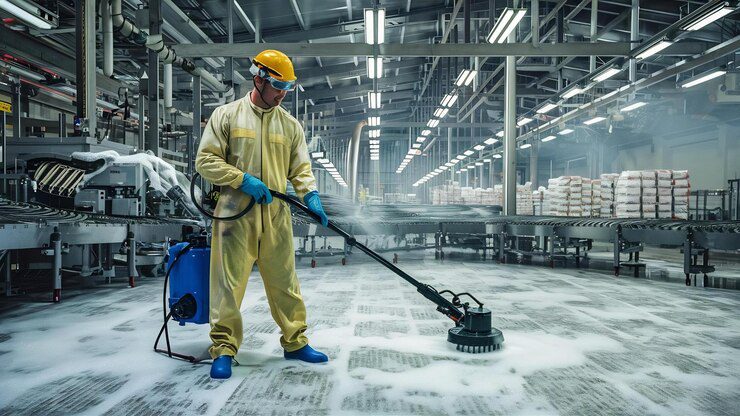
Regular floor cleaning helps remove loose debris and maintain cleaner movement areas. Depending on the flooring material and facility requirements, cleaning may involve sweeping, dust mopping, damp mopping, or other suitable floor-care methods.
Particular attention should be given to:
- Main employee walkways and corridors
- Areas around production workstations
- Storage and inventory aisles
- Packaging and dispatch sections
- Employee entrances and common access points
Cleaning schedules should also account for production hours and material movement. For example, some areas may require attention between shifts, while others can be cleaned during quieter operational periods.
2. Cleaning Accessible Surfaces and Shared Areas
Dust does not remain limited to the floor. It can settle on desks, counters, shelves, ledges, reception surfaces, and other accessible areas throughout a manufacturing facility.
Regular surface cleaning helps prevent visible dust buildup and supports a more organized workplace. It is particularly important in administrative offices, meeting rooms, reception areas, and employee common spaces that may be connected to production operations.
Professional cleaners can follow an agreed cleaning schedule for suitable surfaces, using methods and products appropriate for each material.
How Janitorial Services Support Cleaner Manufacturing Floors
Industrial floors require consistent attention because they are exposed to several types of residue throughout the working day. Dust, grease, liquid spills, and material fragments can make surfaces difficult to maintain.
In addition, different manufacturing environments may have different flooring materials and cleaning requirements. A suitable cleaning approach helps maintain the appearance and condition of these surfaces without using inappropriate products or methods.
Managing Dust and Loose Debris
Loose dust and debris should be removed using suitable cleaning equipment and methods. In some environments, dry sweeping may spread fine particles into the surrounding air. Therefore, facilities may require dust-control methods such as appropriate industrial vacuuming or other approved cleaning techniques.
The right approach depends on the type of dust, the production process, and workplace safety requirements. Where hazardous or combustible dust is present, specialized controls and approved equipment may be necessary. Routine janitorial cleaning should not replace those controls.
Addressing Grease and Surface Residue
Certain manufacturing processes involve lubricants, oils, and other materials that can leave residue on floors. If not addressed appropriately, these substances may contribute to slippery surfaces and make routine maintenance more difficult.
Cleaning teams should use suitable products and procedures for the affected flooring. Spills involving chemicals, industrial oils, or potentially hazardous substances should be managed under the facility’s established spill response procedures rather than treated as ordinary floor-cleaning tasks.
Maintaining Entryways and High-Traffic Areas
Dust and dirt can enter manufacturing facilities through employee entrances, loading areas, and delivery points. These spaces often experience heavy foot and vehicle traffic, making them important parts of a regular cleaning schedule.
Cleaning entrance mats, accessible floors, and nearby common surfaces helps reduce the amount of dirt carried into other parts of the building.
Why Manufacturing Facilities in Oakville Need a Consistent Cleaning Schedule
A planned cleaning routine helps businesses identify which spaces need daily attention and which can be maintained weekly or periodically.
A typical schedule may include:
Daily cleaning
- Removing general debris from designated walkways
- Cleaning employee washrooms and breakrooms
- Wiping suitable shared surfaces
- Emptying waste bins and replacing liners
- Maintaining reception and administrative areas
Weekly cleaning
- Giving additional attention to accessible ledges and surfaces
- Cleaning less frequently used common areas
- Performing scheduled floor-care tasks
- Checking storage and office spaces for accumulated dust
Periodic cleaning
- Carrying out deeper cleaning of suitable floors and common areas
- Addressing buildup in accessible spaces that receive less frequent attention
- Reviewing cleaning schedules as facility needs change
The schedule should be customized rather than applied uniformly across every manufacturing facility. A busy production plant may need more frequent attention in certain areas, while administrative sections may require a routine closer to standard office cleaning.
How Janitorial Services Help Maintain Cleaner Employee Areas
These areas need regular cleaning because they experience frequent use and can accumulate dust, food waste, dirt, and general debris.
Breakrooms and Lunch Areas
Breakrooms are important shared spaces where employees eat, drink, and take scheduled breaks. Food crumbs, spills, used packaging, and waste can quickly affect cleanliness if these areas are not maintained.
Regular cleaning may include wiping tables and counters, cleaning accessible surfaces, emptying waste bins, and maintaining floors. Frequently touched surfaces should also receive attention according to the facility’s cleaning requirements.
Washrooms and Changing Areas
Employee washrooms and changing areas require consistent cleaning throughout the working week. These spaces should be included in the facility’s regular cleaning plan, with attention to toilets, sinks, mirrors, floors, dispensers, and waste bins.
The frequency of cleaning should reflect the number of employees using the facilities and the length of their shifts.
Administrative Offices
Manufacturing businesses often have offices located within or alongside production facilities. These spaces may be used by managers, supervisors, administrative employees, suppliers, and visitors.
Regular dusting of accessible surfaces, vacuuming, floor cleaning, and waste removal help maintain a professional environment without interfering with production activities.
The Importance of Customized Cleaning Plans for Manufacturing Facilities
No two manufacturing facilities have exactly the same cleaning requirements. A small manufacturing unit may have limited production areas and a few shared spaces, while a larger facility may include several production lines, storage sections, offices, loading areas, and employee amenities.
For this reason, a customized cleaning plan is more practical than a fixed routine that treats every facility the same way.
When developing a cleaning schedule, businesses should consider:
- Facility size: Larger buildings may require more cleaning time, staff coordination, and clearly defined service areas.
- Production activities: Different manufacturing processes create different types of dust, residue, and general debris.
- Employee traffic: Areas used by large numbers of employees may need more frequent cleaning.
- Operating hours: Facilities running multiple shifts may need cleaning outside peak production periods.
- Flooring and surfaces: Cleaning methods should be appropriate for the materials being maintained.
- Access restrictions: Certain production zones may require authorization, protective equipment, or specific procedures before cleaning can take place.
A customized plan also makes it easier for facility managers to communicate priorities. For instance, a business may require daily cleaning of employee areas, regular attention to office floors, and scheduled maintenance of designated common spaces.
What Manufacturing Businesses Should Consider When Choosing a Cleaning Provider
Selecting a commercial cleaning provider requires an understanding of the facility’s daily operations. A provider that primarily works with conventional office spaces may not automatically be equipped to address every requirement of a manufacturing environment.
Before selecting a service, businesses should consider the following factors:
Experience with commercial facilities: Look for a provider with experience coordinating cleaning in different types of commercial environments, including industrial and manufacturing facilities.
Customized service schedules: Cleaning should be arranged around operating hours, employee shifts, and access requirements.
Trained cleaning personnel: Cleaning staff should understand the procedures and safety expectations relevant to the areas they are authorized to maintain.
Suitable cleaning products and equipment: Products and methods should match the surface materials and cleaning requirements of the facility.
Clear communication: Businesses should have a straightforward way to request service adjustments, report concerns, and discuss cleaning priorities.
Defined service responsibilities: It is important to understand which tasks are included in the cleaning agreement and which require specialized industrial cleaning or maintenance personnel.
Frequently Asked Questions
1. Why do manufacturing facilities need regular janitorial services?
Manufacturing facilities can accumulate dust, packaging debris, grease, and general dirt through daily operations. Regular janitorial cleaning helps maintain floors, shared spaces, offices, washrooms, and other designated areas.
2. How often should a manufacturing facility be cleaned?
Cleaning frequency depends on the facility’s size, production activities, employee traffic, and operating hours. Employee areas and high-traffic spaces may need daily attention, while other areas can follow weekly or periodic schedules.
3. Can janitorial services help control dust in manufacturing plants?
Yes. Routine cleaning of suitable floors, accessible surfaces, entrances, and shared areas helps remove accumulated dust and general debris. However, hazardous or combustible dust requires specialized controls and procedures.
4. What areas of a manufacturing facility can be included in a cleaning plan?
A commercial cleaning plan may include designated walkways, offices, reception areas, employee breakrooms, washrooms, common spaces, and suitable storage or packaging areas. Access-controlled production zones require specific authorization and procedures.
5. Can cleaning services be scheduled around manufacturing shifts?
Yes. Cleaning schedules can be customized around operating hours, shift changes, and periods of lower activity. This helps businesses arrange routine cleaning while minimizing disruption to normal operations.
6. Are janitorial services the same as industrial equipment cleaning?
No. General janitorial services focus on maintaining designated building areas and common surfaces. Cleaning production machinery, specialized equipment, and hazardous materials often requires trained maintenance personnel or specialist contractors.
7. What should businesses look for in a manufacturing facility cleaning provider?
Businesses should consider commercial cleaning experience, staff training, suitable cleaning methods, flexible scheduling, clear communication, and the ability to create a plan based on the facility’s specific requirements.
Conclusion
Dust and industrial residue are ongoing challenges for manufacturing facilities because production activities, material handling, employee movement, and packaging operations continuously introduce new cleaning requirements. Without a consistent routine, debris can accumulate on floors, accessible surfaces, and shared workspaces, making the facility harder to maintain.
A well-planned cleaning schedule helps businesses address these everyday concerns while keeping employee areas, offices, washrooms, and designated common spaces cleaner and more organized. It also allows facility managers to prioritize cleaning tasks according to operational hours, traffic levels, and the needs of different sections of the building.
For manufacturing businesses looking for reliable janitorial services in Oakville, Anago South can help arrange a customized commercial cleaning plan based on facility size, operating schedules, employee traffic, and cleaning requirements. Contact today at (905) 565-4445 or visit anagosouthgta.ca/contact-us to schedule a free walkthrough and request a customized cleaning quote for your manufacturing facility.